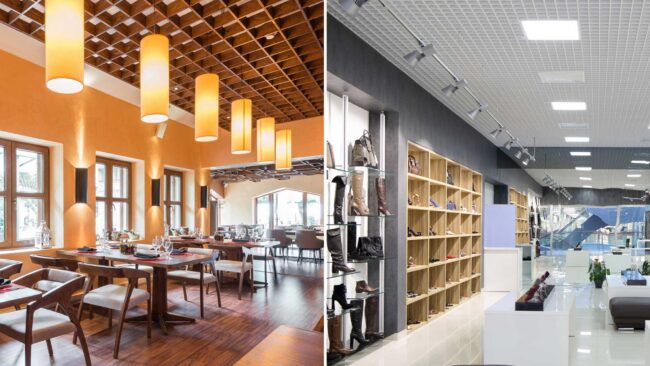
Lighting does more than illuminate a space—it influences how products, finishes, food, and people are perceived. Learn the differences between CRI and TM-30, why both metrics matter, and how they help create more vibrant, inviting retail and hospitality environments.
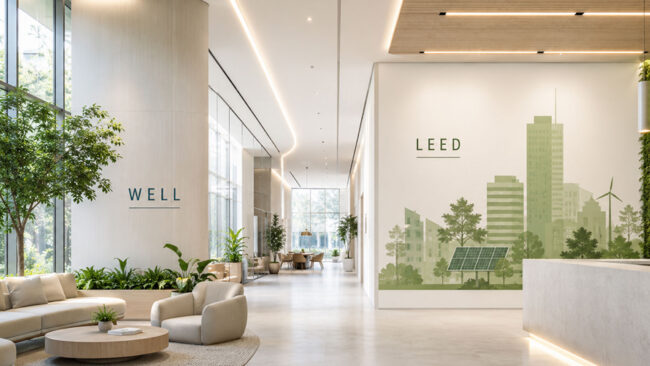
LEED and WELL both influence lighting design, but they prioritize different outcomes. LEED focuses on sustainability and energy performance, while WELL centers on occupant health, comfort, and circadian support. This guide explores where the two standards overlap, where they diverge, and how project teams can create lighting specifications that satisfy both without duplicating effort.
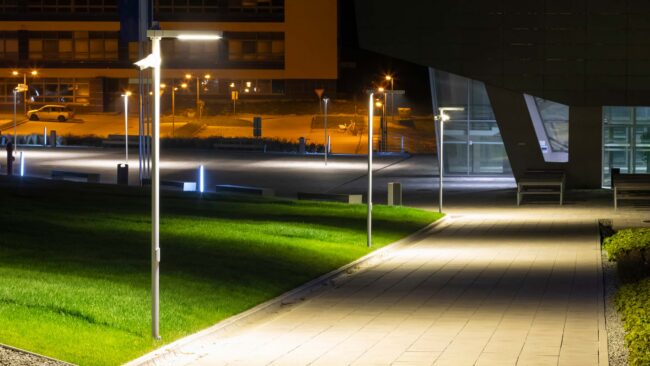
Reducing light pollution on campuses and municipal facilities starts with smarter lighting design using the right optics, shielding, warmer color temperatures, and dimming controls to balance safety, visibility, comfort, and night-sky protection.
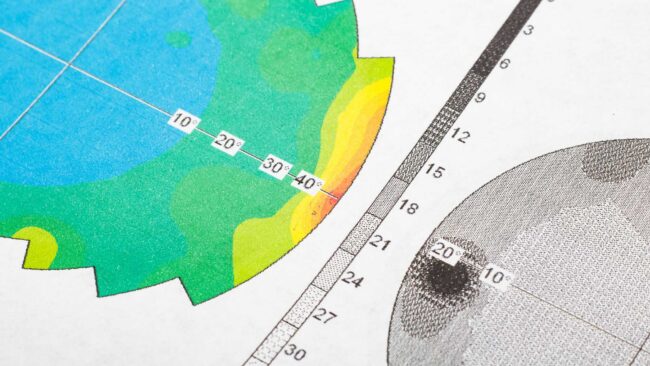
Photometric reports can look intimidating with tables of numbers, spider graphs, isolines, and acronyms everywhere. This guide pares it down to what drives your layout and specification decisions, so you can read a report quickly, confirm performance, and translate it into a reliable fixture schedule.
As workplaces continue to shift toward hybrid schedules, office lighting has to work harder than ever. Today’s spaces support a mix of focused individual work, collaboration, video meetings, and fluctuating occupancy levels. That means lighting systems need to be flexible, intuitive, and ready to adapt as the workday and the workplace evolve. In this post we’ll look at how lighting specifiers can meet today’s hybrid work challenges.
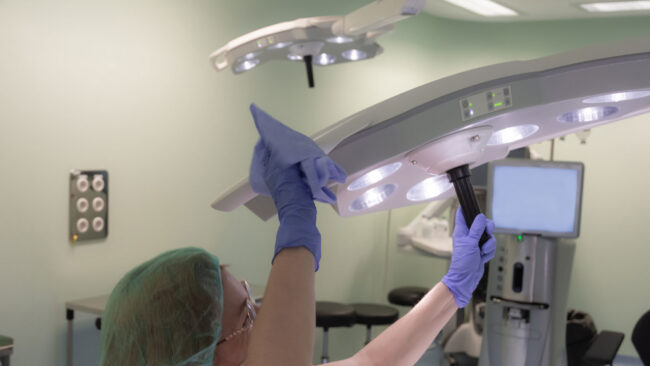
Designing lighting for operating rooms, cath labs, and hybrid surgical suites is fundamentally different from illuminating any other space in healthcare. These environments sit at the intersection of sterility, safety, and regulatory oversight—and even minor failures in fixture construction, cleanliness, or certification can delay commissioning or disrupt clinical workflow.
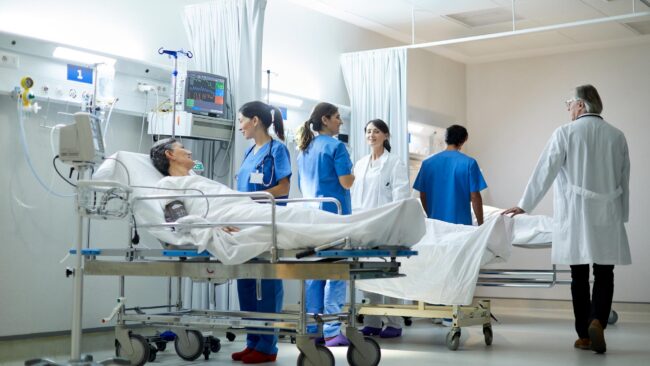
In hospitals and clinics, lighting isn’t just for visibility — it’s a tool that affects alertness, accuracy, and well-being. From long night shifts to detailed patient assessments, staff rely on consistent, comfortable light to perform at their best.
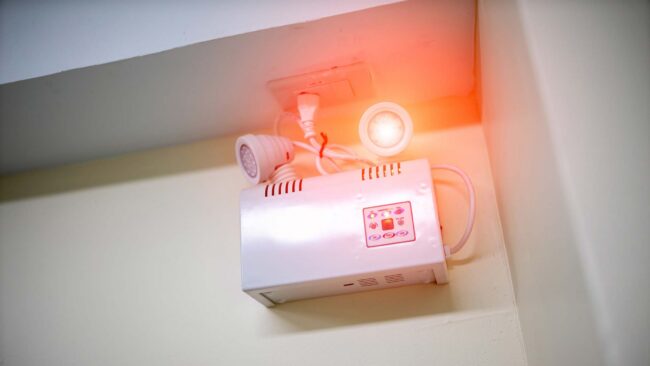
Every hospital needs reliable emergency power, but how you deliver it is a critical design choice. Two of the most common approaches—Central Battery Systems and Distributed Inverters—each offer unique benefits depending on the type of space, budget, and operational priorities.
Behavioral and mental health facilities face a unique set of design challenges. Lighting is not just about visibility—it’s about patient safety, emotional well-being, and staff effectiveness. Poorly chosen fixtures can create risks, while thoughtful lighting design can support healing and peace of mind.
Our website uses cookies to enhance your browsing experience and analyze site traffic. By continuing to use our site, you consent to the use of cookies.